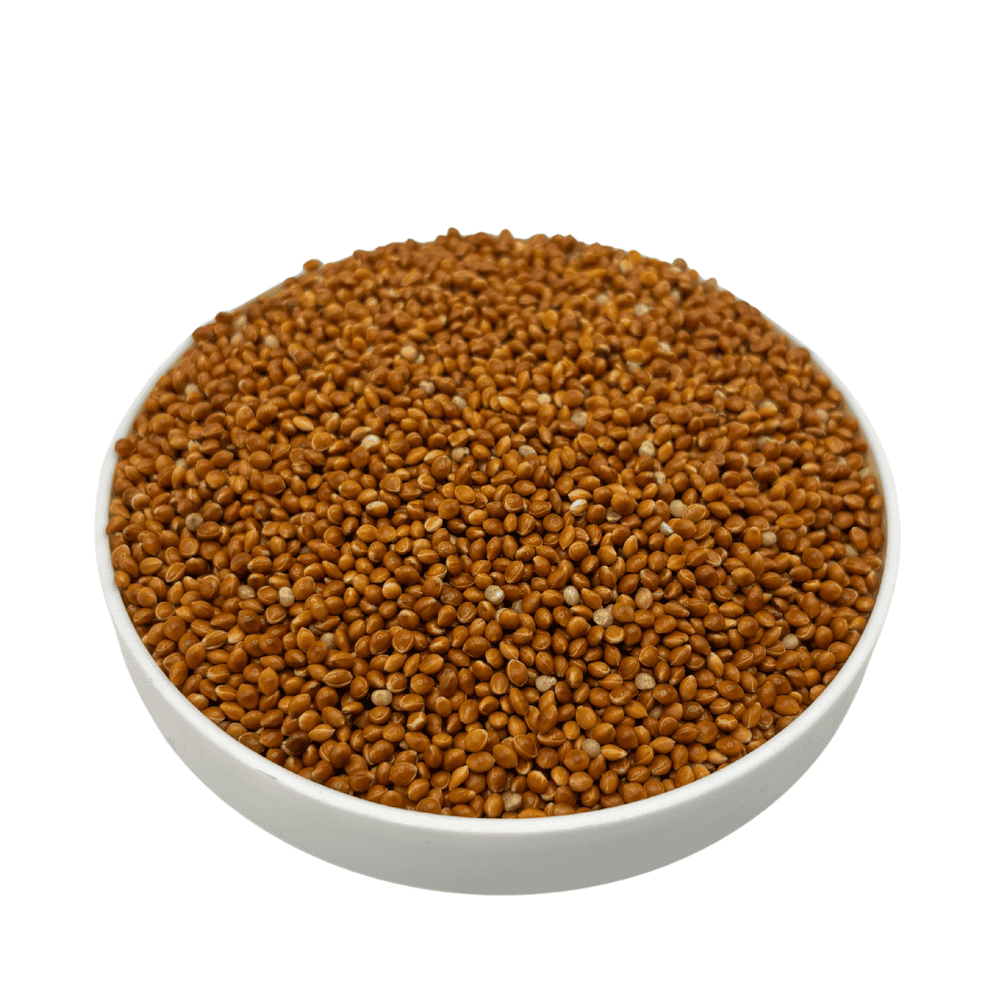
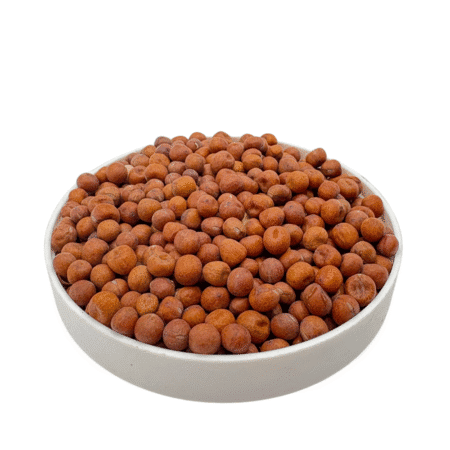
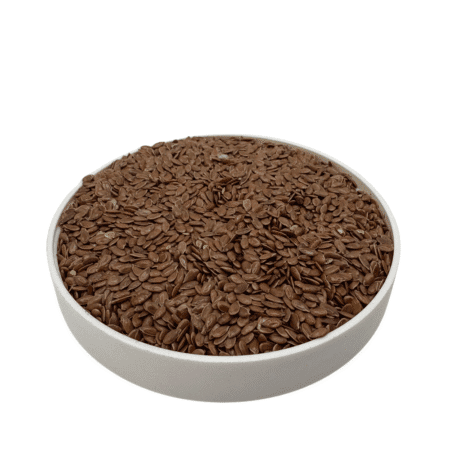
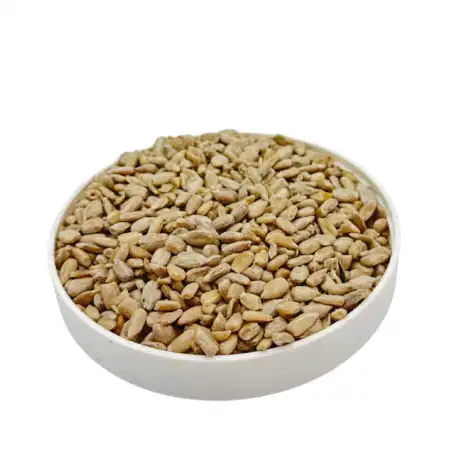
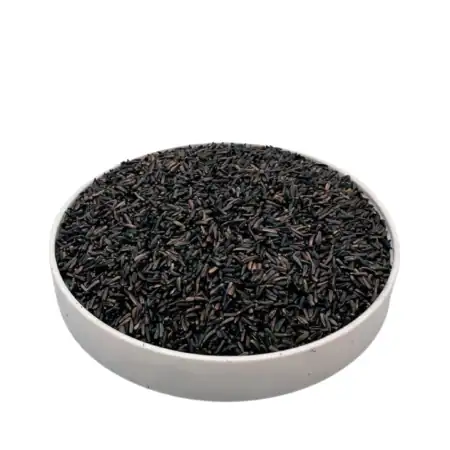
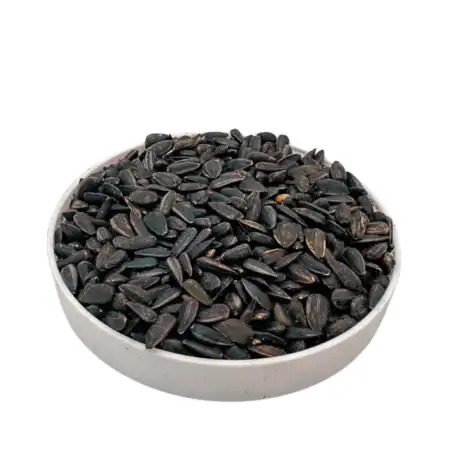
Red Millet is a small, reddish grain rich in complex carbohydrates, fibre, and essential minerals. Commonly used in parakeet, canary, finch, and exotic bird mixes, it is also appreciated by some wild birds, especially during colder months. Slightly harder than white millet, Red Millet is ideal for strong-beaked seed-eaters and birds that enjoy working for their food.
Key Features
✔︎ Provides slow-release energy and natural roughage
✔︎ Supports healthy digestion and beak conditioning
✔︎ Lower in fat, making it suitable for maintenance feeding
✔︎ Encourages natural foraging and can be used as a training reward
✔︎ Popular in breeding and show bird diets for nutritional balance
Captive / Aviary Birds:
✔︎ Budgerigars (Budgies)
✔︎ Canaries
✔︎ Zebra Finches
✔︎ Bengalese Finches
✔︎ Cockatiels
✔︎ Small Parrots
✔︎ Foreign / Exotic Finches
Wild Birds in Ireland (occasionally):
✔︎ House Sparrow (Passer domesticus)
✔︎ Dunnock (Prunella modularis)
✔︎ Greenfinch (Chloris chloris)
✔︎ Collared Dove (Streptopelia decaocto)
✔︎ Chaffinch (Fringilla coelebs)
✔︎ Use in aviary seed mixes or as a standalone scatter feed
✔︎ In gardens, offer via ground or tray feeders—most wild birds won’t extract millet from hanging tubes
✔︎ Mix with white millet, canary seed, or sunflower hearts for variety
✔︎ Excellent for breeding season, supporting energy without weight gain
✔︎ Always provide fresh water and grit, particularly for caged birds
✔︎ Use a seed feeder – keeps seeds dry and makes it easy for smaller birds to access them.
✔︎ Offer on bird tables or ground trays – perfect for blackbirds, doves, and other ground-feeding birds.
✔︎ Feed year-round – especially valuable in autumn and winter for energy, and in spring to support breeding adults.
✔︎ Mix with other foods – combine with peanuts, suet, or seed mixes to attract an even wider variety of birds.
✔︎ Keep feeders clean – wash regularly to prevent mould, clumping, and disease spread.
✔︎ Place feeders in sheltered spots – protect birds from wind and predators while they feed.