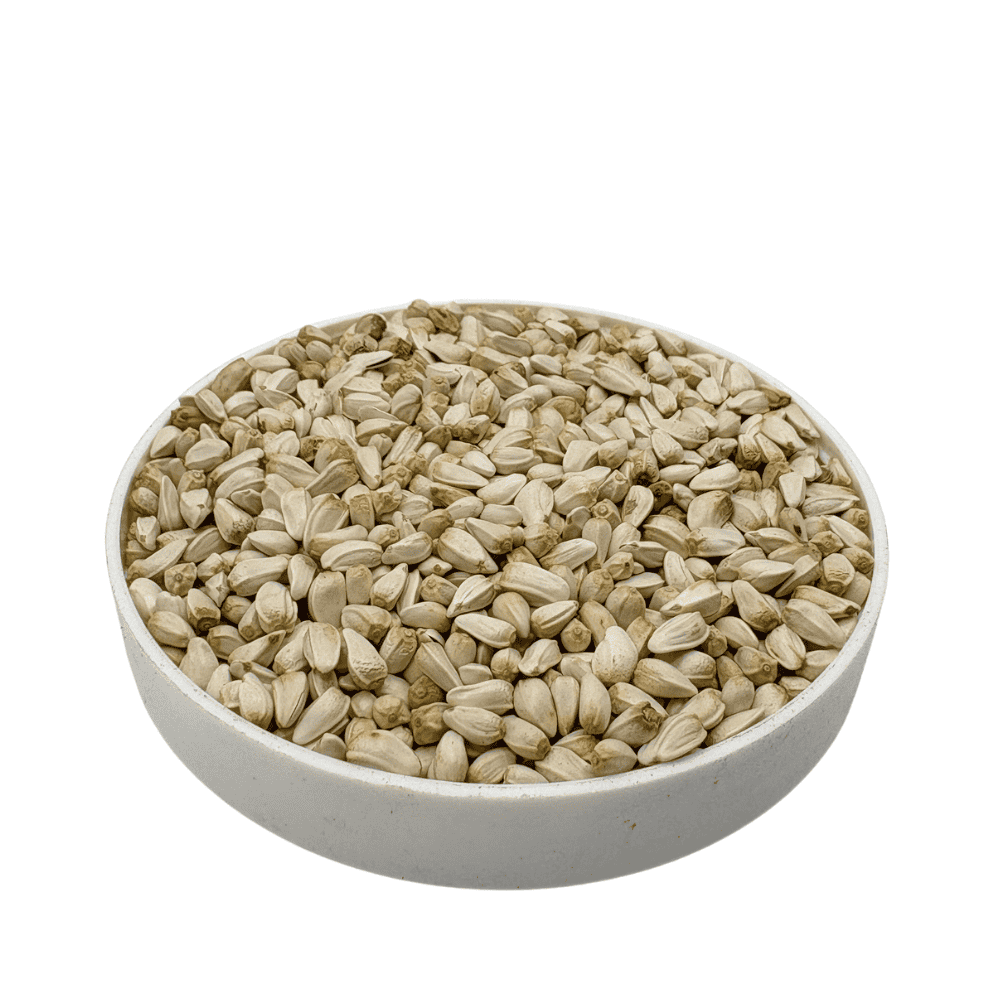
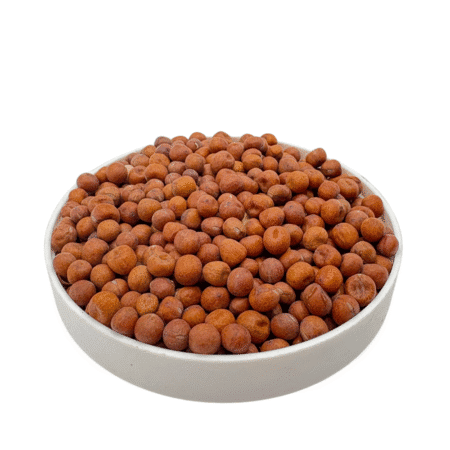
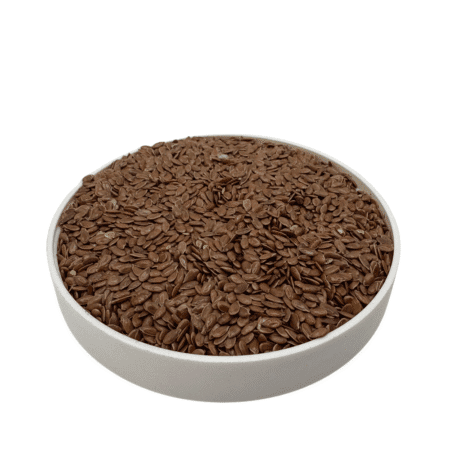
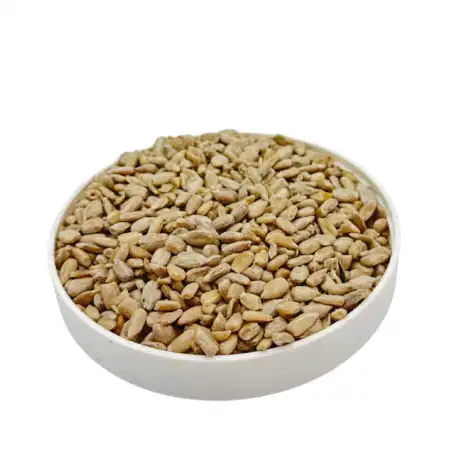
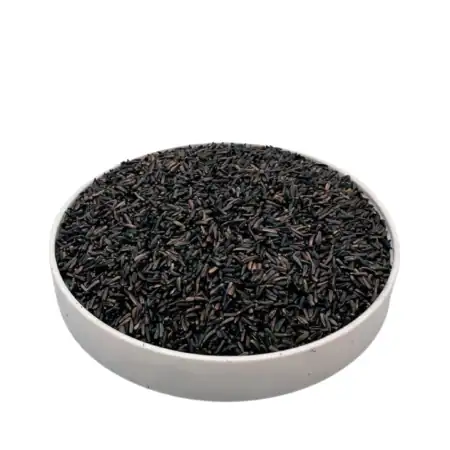
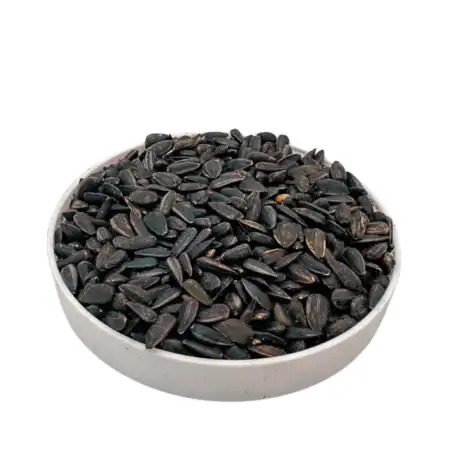
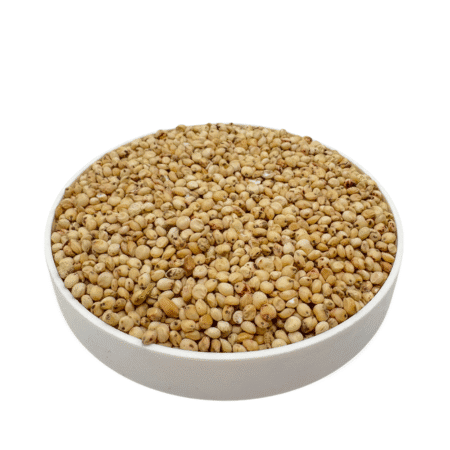
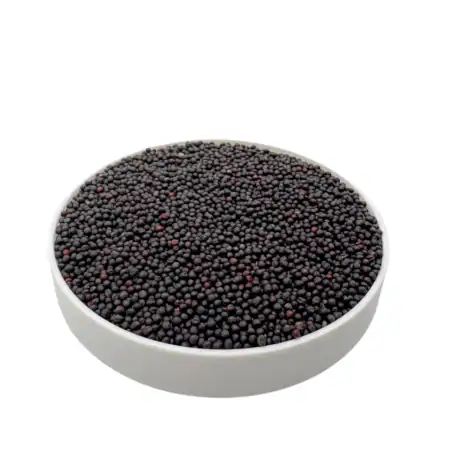
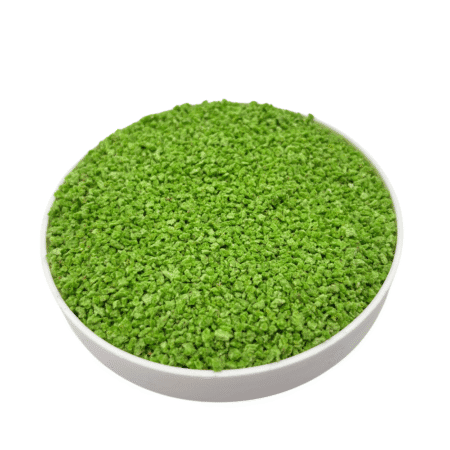
Safflower seed is a nutrient-dense, oil-rich seed packed with protein, healthy fats, and energy. Its naturally bitter taste helps deter larger, more dominant birds like pigeons, crows, and even squirrels, while still attracting finches, tits, and sparrows. Commonly found in premium seed mixes, safflower is also a popular choice for parrots, parakeets, and cardinals in aviaries.
Key Features
✔︎ High in healthy fats and protein – supports energy and feather condition
✔︎ Attracts desirable garden birds while discouraging nuisance species
✔︎ A clean, hulled seed that’s easy for small birds to handle
✔︎ Provides an energy boost during winter or breeding season
✔︎ Suitable for feeding alone or as part of a seed mix
✔︎ Greenfinch (Chloris chloris)
✔︎ Chaffinch (Fringilla coelebs)
✔︎ House Sparrow (Passer domesticus)
✔︎ Goldfinch (Carduelis carduelis)
✔︎ Blue Tit (Cyanistes caeruleus)
✔︎ Great Tit (Parus major)
✔︎ Parrots and Parakeets (in aviaries)
✔︎ Best used in tube or covered tray feeders to keep dry in Irish weather
✔︎ Offer on its own or blend with canary seed or sunflower hearts
✔︎ Helps deter pigeons, crows, and squirrels who dislike its bitter taste
✔︎ Ideal for winter and spring feeding when energy needs are highest
✔︎ Introduce gradually if birds are new to safflower
✔︎ Use a seed feeder – keeps seeds dry and makes it easy for smaller birds to access them.
✔︎ Offer on bird tables or ground trays – perfect for blackbirds, doves, and other ground-feeding birds.
✔︎ Feed year-round – especially valuable in autumn and winter for energy, and in spring to support breeding adults.
✔︎ Mix with other foods – combine with peanuts, suet, or seed mixes to attract an even wider variety of birds.
✔︎ Keep feeders clean – wash regularly to prevent mould, clumping, and disease spread.
✔︎ Place feeders in sheltered spots – protect birds from wind and predators while they feed.