
Rapid Reseed Results 2023: How Warm Soil and Moisture Are Changing the Game
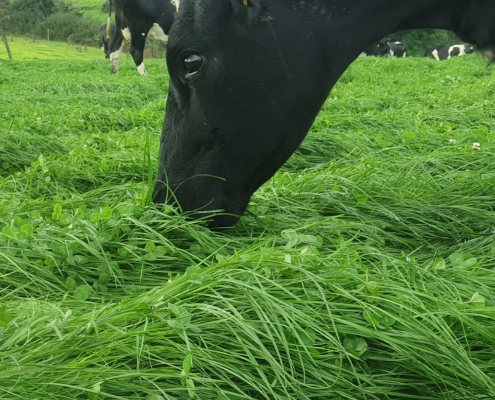
Dry weather Spells
In recent years, extended dry spells have slowed new grass seed development. The establishment has been variable as very dry soil can be hard to consolidate evenly, leading to the slower turnaround of reseeds. Some reasons why are as follows:
- New seeds need a fine firm seedbed to establish quickly.
- A fine firm seedbed that is well consolidated will hold onto moisture better, providing the conditions for seeds to establish.
- If the seedbed becomes overly dry, it isn’t easy to achieve good consolidation.
- A common trend in recent years has been field headlands ready for grazing much earlier than the rest of the field, driven by higher consolidation on headlands.
- Extended turnaround time adds to the cost of reseeding by extending the non-productive period.
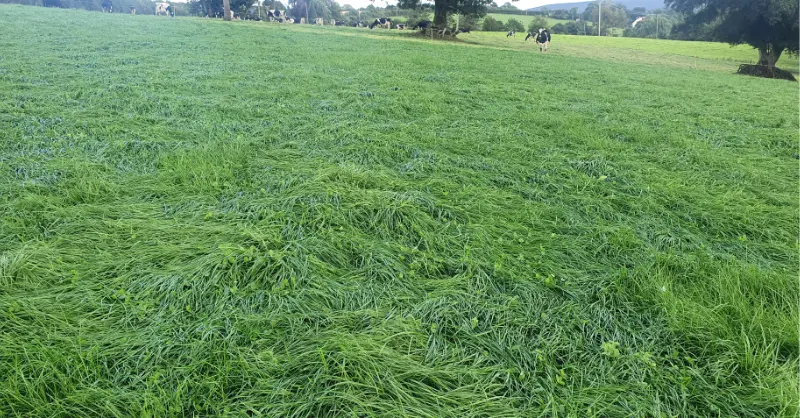
Opportunity is not to be missed.
With recent rains, soil moisture is plentiful, driving grass growth, with current reports from Pasturebase Ireland indicating average production of 60 kgs DM/ha/day. On many farms, this should produce surplus production and the potential to take out an underperforming field for reseeding.
Recent reports are the reseeds sown in the past two weeks are establishing very quickly. Good soil moisture means seedbeds are getting consolidated well, allowing seeds to access necessary nutrients and moisture for growth quickly. The guarantee of rapid establishment makes reseeding the Autumn an easy decision. Soil is also warm, and once well sown, a new reseed should provide a few valuable grazing later in the year.
Direct Seeding
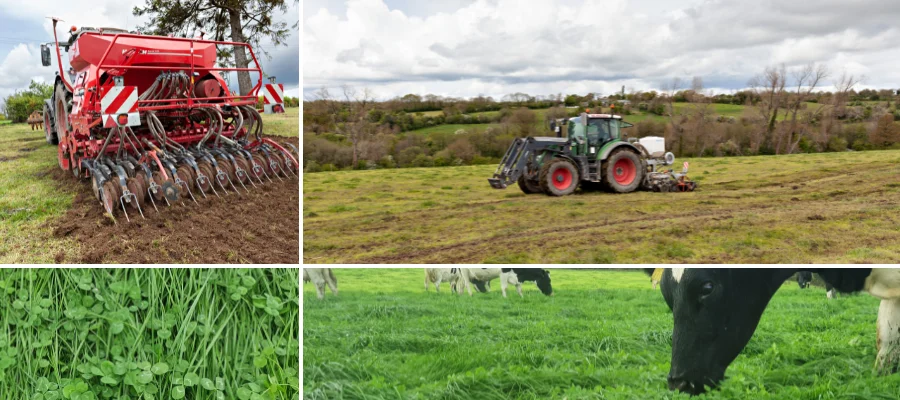
During periods of higher soil moisture, direct seeding can have several advantages and allow for faster turnaround.
-
- Sowing can be conducted as soon as the old sward has been killed and cleaned off.
- Machinery can travel over the ground within a short dry spell, using the old sward to protect the soil.
- The old sod protects the soil from sticking to machinery.
- A minimum number of passes allows the process to be completed quickly, reducing the chances of rain disturbing the reseeding process.
- Killed off old sward will decay quicker.
- The high moisture ensures that the seed has good access to nutrients and moisture despite the less fine seedbed produced in the process.
- Retaining the existing soil structure ensures that more robust grazing conditions are available for post-emergence herbicides and later grazing’s.
Overseeding
Overseeding swards during periods of good soil moisture is also an excellent opportunity. It presents the opportunity to rejuvenate a sward without the disadvantage of a longer unproductive period. Candidate pastures should be predominately sown species. Swards that have a high level of weed grasses are usually a better candidate for a full reseed.
Check out the information here 🔗 on the Diamond Overseeding mixture
Getting the mixture right
When unsettled weather like this inevitably comes around, it is essential to have varieties that animals want to graze out easily. Easier-to-graze paddocks allow animals to eat more, boosting production while at the same time preserving a high-quality sward for the next grazing. The Pasture Profit Index now has real animal grazing results in the form of the grazing utilisation Index. Varieties are ranked between one star and five stars for their ability to be grazed clean by animals, with five stars being the best. Varieties like AstonEnergy, Glenfield and AstonConqueror have 4 or 5 stars for grazing utilisation, meaning they will graze out better than most. The best results from AstonEnergy are achieved in a quality mixture. In 2023 Diamond Hi-Digestibility from Goldcrop contains all four and 5-star varieties combined with leading spring growth traits, making it the perfect grazing mix.
More information is available here:

