
Winter Oilseed Rape – Sticking With The Plan!
As a farmer, I am quite a fan of rotation. However, we were not always using rotation on our farm and up until 2007, our rotation (or lack of!) consisted of continuous spring barley. While the spring barley cropping was relatively simple, it did bring workload bottlenecks and yields that were only average.
In 2007, we grew our first two fields of WOSR and in all honesty, we haven’t looked back.
WOSR has become a critical part of our rotation, and it has brought increased cereal yields, a spread to our workload and a great way to keep on top of grass weeds.
Our current rotation generally consists of two consecutive cereal crops followed by a break crop (WOSR or beans every second time).
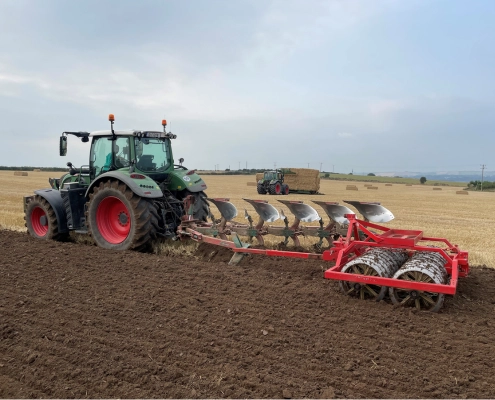
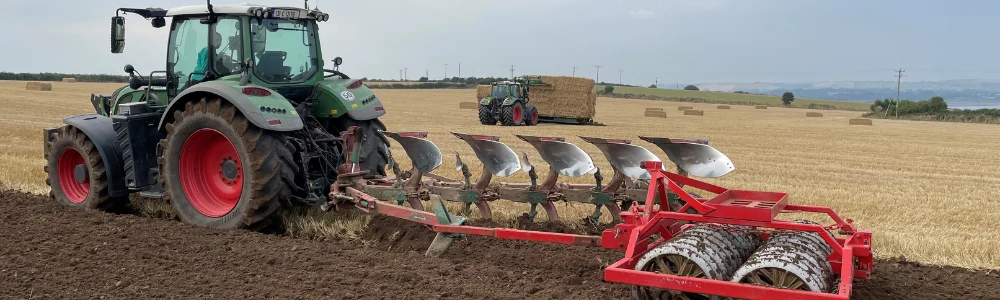
Autumn 2023 / Spring 2024 as we know, was a difficult harvest year to establish crops. We are now preparing to sow our WOSR crop for harvest 2025. This year, our entry crop is a crop of spring barley sown on the 22nd April and harvested a week ago. That barley crop yielded very well and the straw has been cleared. We are in the process of ploughing it so that we can sow WOSR (LG Armada) before my absolute cut-off date of the 20th September.
September might to some sound “late” for sowing WOSR. However, given our southerly latitude and the fact that the soil is currently in superb condition, I have no concerns about the sowing date. In fact, over the past 16 years, I can only remember sowing our WOSR in August on one occasion!
Over that time, our WOSR yields have averaged approximately 5tn/Ha (2tn/Ac). A large part of this consistently good yield performance is due to the genetic improvements in the WOSR varieties being grown. Increased seed yield and useful traits such as resistance to Pod Shatter & TuYV, N-Flex, Sclero-Flex etc have all made WOSR too attractive for me to ignore.
The reasons that I am not concerned about this sowing date are as follows:
- Our historic yields from September sown WOSR have been very good.
- Modern varieties are almost exclusively hybrids which possess vigour for quick establishment.
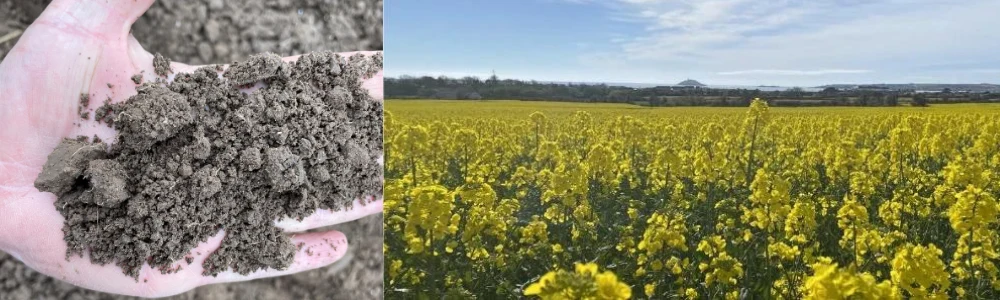
- Following the low rainfall summer of 2024, the soil is in fabulous condition and this should lead to good seed beds and an excellent start for the crop.
Other considerations that are on my mind are that I want to maintain our rotational plan and also the fact that sowings of WOSR in the UK and other European countries are likely to be heavily reduced this autumn due to the problem of Cabbage Stem Flea Beetle. Thankfully, I have not experienced a problem with this pest while growing WOSR. If sowings in the large countries are reduced, this should only have a positive effect on prices next harvest.
In order to maximise establishment, I concentrate on creating a fine seed bed. WOSR is a small seed and good seed/soil contact is critical. NPK fertiliser will be incorporated in the seed bed to give the seedlings immediate access to nutrients. A reduced rate of slug pellets will be applied after rolling as a matter of course.
The seed rate used will be approximately 50 seeds/m2. We sometimes use strip tillage for planting WOSR and in those cases, I increase the seed rate to allow for the lower establishment rate that is commonly experienced with strip tillage.
 Article by John Dunne, Goldcrop Ltd.

