
Slug damage in Winter Hybrid Rye – Not all varieties are Equal!
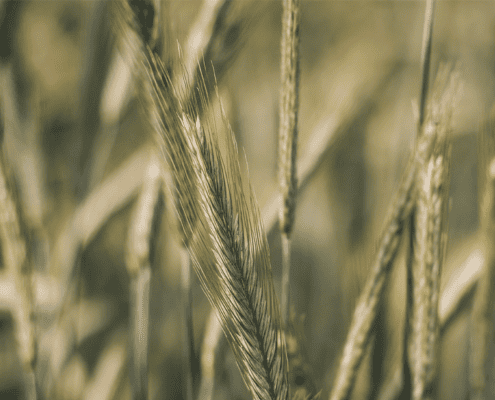
Winter Hybrid Rye has demonstrated itself as a high yielding crop that can fit in a rotation as either a first cereal after a break crop or following a cereal crop where it’s strong resistance to the Take-All fungus can allow it to produce a high yield where a winter barley crop or winter wheat crop may struggle due to their lower resistance to Take-All.
One of the main challenges when growing Hybrid Winter Rye is around establishment; it has shown itself to be very palatable to slugs in the early stages of growth, much more so than the other cereal crops.
The challenge in establishing Hybrid Rye where slugs are present is compounded by the fact that the crop is sown using a low seed rate (200 – 250 seeds/m2) leaving very little room for error due to in field losses.
For the second year running, it has been noticed in trial plots that some varieties of Hybrid Rye are less susceptible to slug damage. The exact reason for this difference amongst varieties is unknown but it is assumed that it is down to differences in palatability for slugs.
In Goldcrop trials, two varieties in particular have stood out as being less susceptible to slug damage: namely SU Performer and the new and upcoming variety SU Karlsson.
The knowledge that these varieties are less susceptible to slugs will be very useful for growers and agronomists alike as it should provide us with one more tool to lessen the risk of slug damage when establishing Hybrid Rye.
It is important to remember that no variety of Hybrid Rye is completely resistant to slug damage and damage can be expected if the slug burden is high enough in a given field.
 Article by John Dunne, Goldcrop Ltd.

