
Winter Cereal Varieties: “The Right Thing to Do is Still the Right Thing to Do”
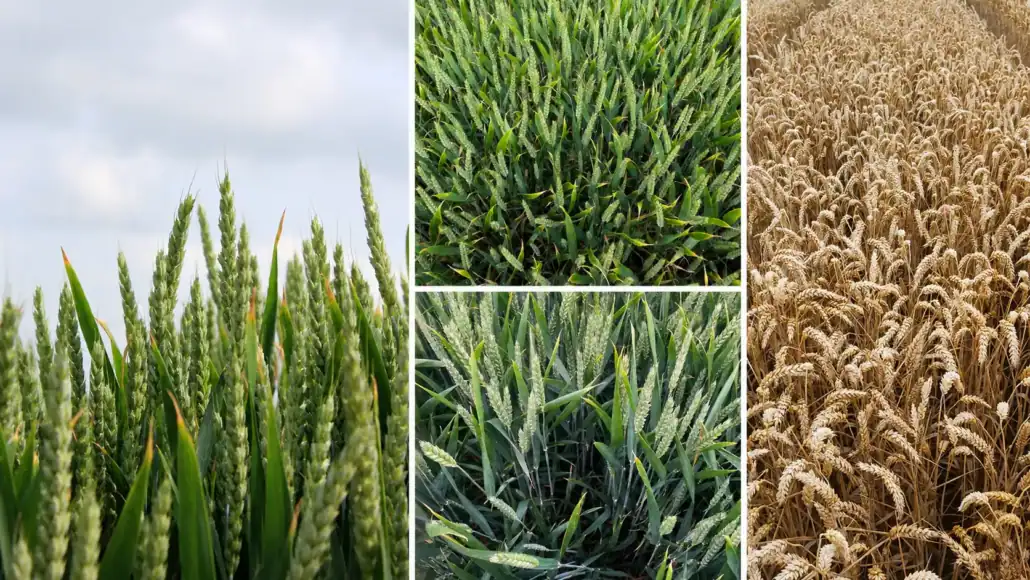
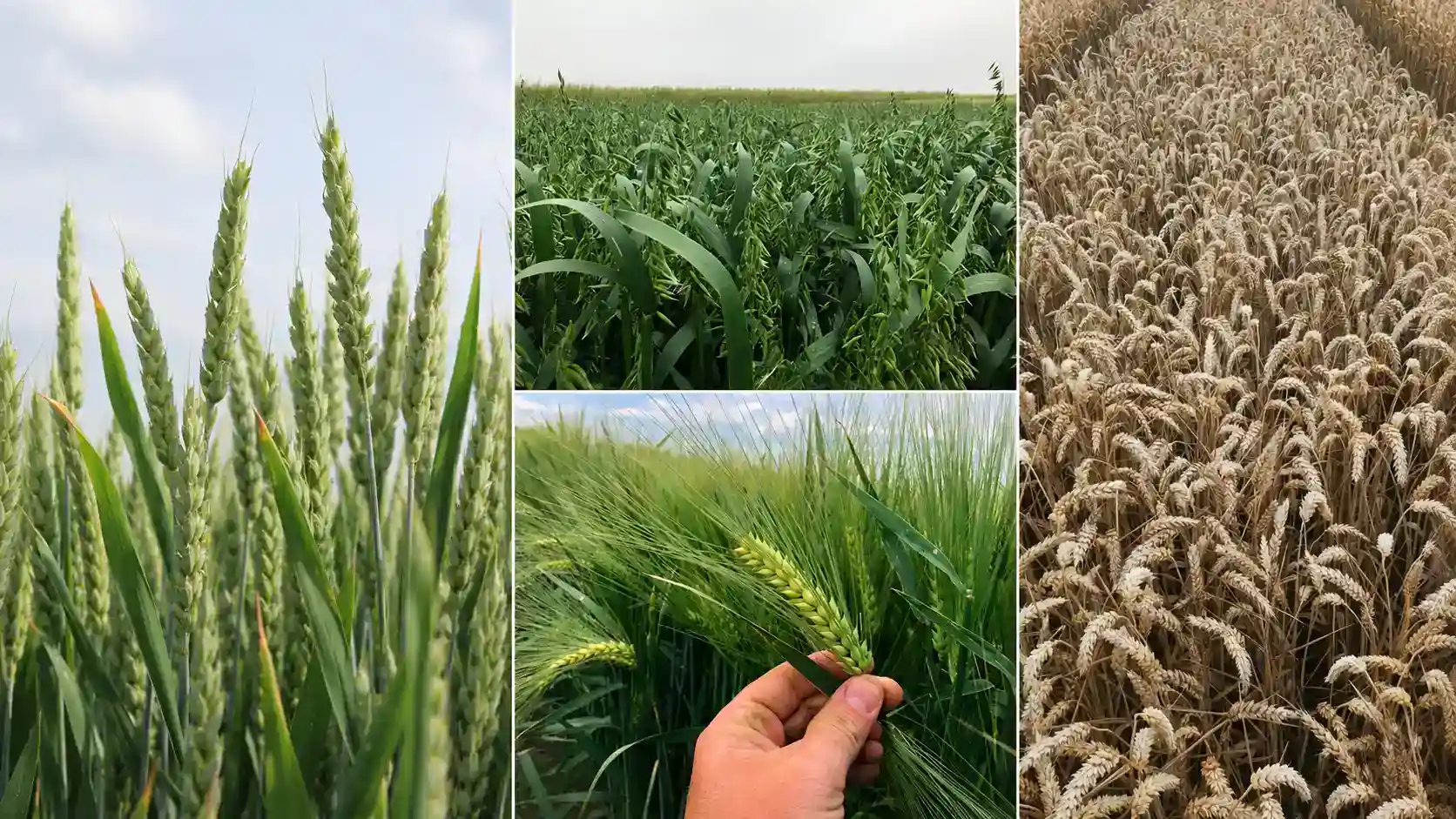
As the dust settles on what was my 20th harvest, the mind begins to digest what was observed in 2026 while looking ahead to the next growing season.
This week, a winter cereal grower commented to me that he wasn’t sure if he had learned anything about varieties from harvest 2026. I know what he meant. 2026 was such an extreme year in terms of weather that varieties behaved somewhat differently from what we would expect in a “normal” year.
The DAFM Recommended List was published this past week. This highly anticipated document provides a wealth of information to help guide our variety choices for the coming autumn.
As someone whose job is to identify suitable varieties for Ireland, I never forget the consequences of a wet Irish harvest, such as those experienced in 2008, 2009 and 2012. I consistently gravitate towards wheat varieties with high KPH, resistance to sprouting and good resistance to lodging. In barley, I look for varieties with good straw strength and, of course, high yield potential.
I consider this to be the right thing to do. Even after the dry harvest of 2026, I believe that the right thing to do is still the right thing to do.
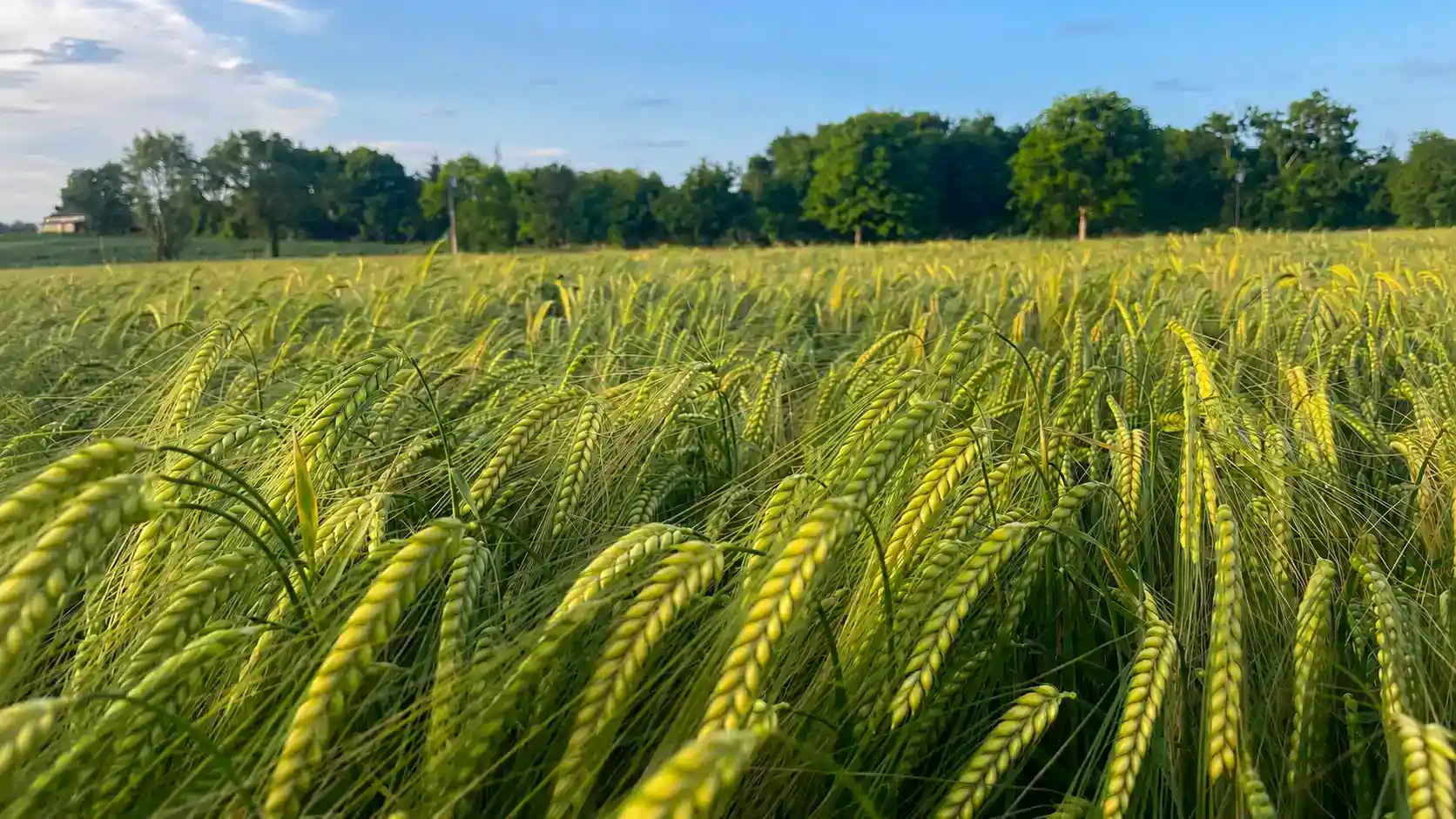
Winter Barley
Integral
This high-yielding six-row variety has proven itself to be robust in tough winter conditions, tolerating waterlogging better than its competitors. Its BYDV tolerance provides added protection in a mild winter.
It is the highest-yielding non-hybrid variety on the Irish market.
Littoral
Littoral is a new six-row, BYDV-tolerant variety from Secobra, the same breeder as Integral. With scores of 8 for both Net Blotch and Rhynchosporium, it has excellent resistance to these wet-weather diseases.
Observations in Goldcrop trials have also shown Littoral to be relatively strong against Ramularia.
Littoral is slower developing than other BYDV-tolerant six-row varieties, making it easier to manage in early spring.
KWS Tardis
KWS Tardis has shown itself to be a reliable performer. Despite not having BYDV genetics, it is matching the yield of some of the newer BYDV-tolerant two-row varieties.
It also has very good straw strength, with scores of 6 for straw breakdown and 7 for lodging resistance.
Organa
Organa, a BYDV-tolerant two-row variety, is a new addition to the Recommended List. It offers improved yield over existing BYDV-tolerant two-row varieties while also having excellent all-round disease resistance, scoring 8 out of 9 for Rhynchosporium, Net Blotch, Mildew and Brown Rust.
It also has very good resistance to lodging, with a score of 7.
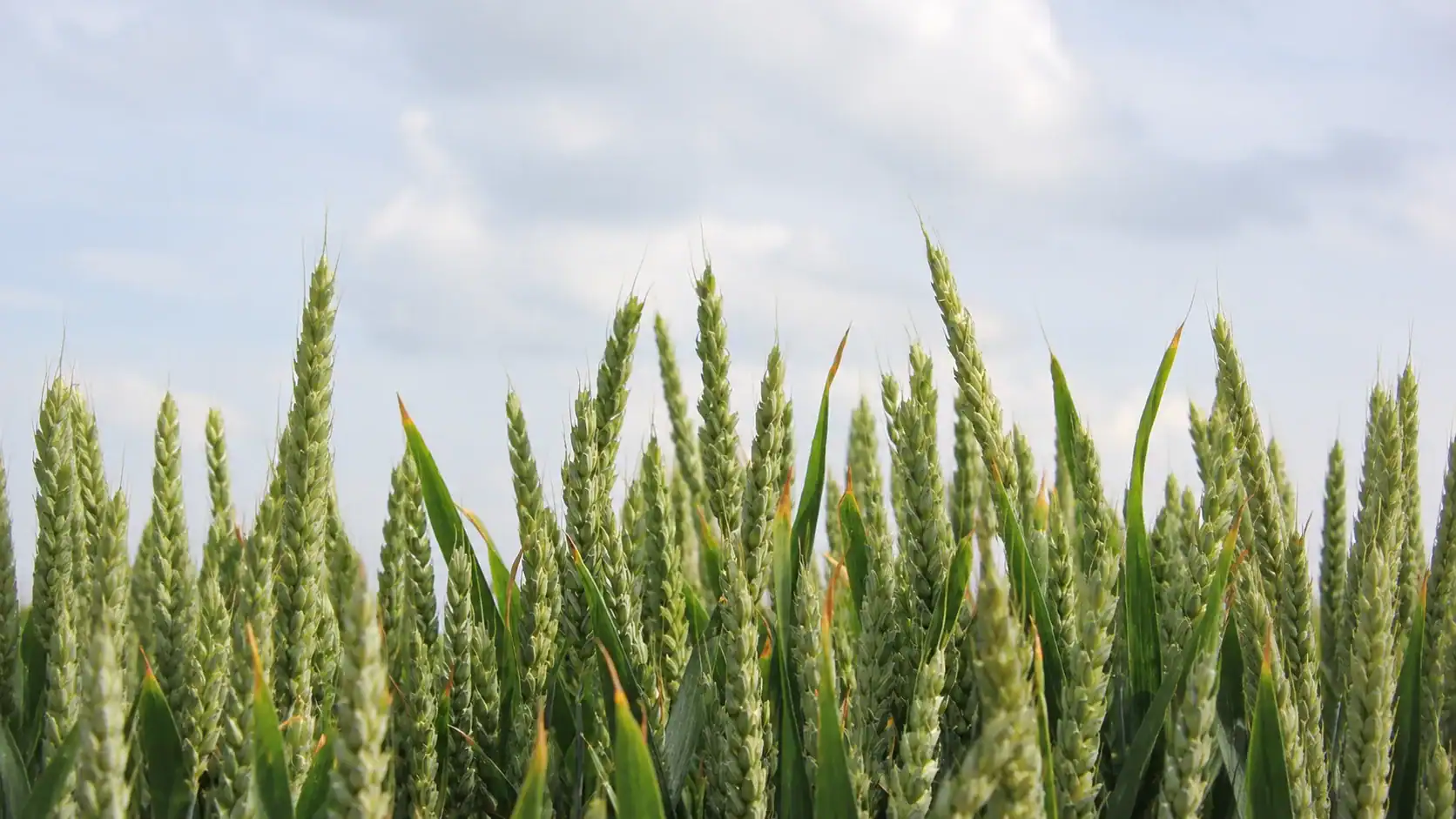
Winter Wheat
Winter wheat presents more potential agronomic challenges than winter barley. That said, by making full use of the range of information available on varieties, growers and agronomists can make informed choices suited to a particular region, soil type or sowing date.
Slow-Developing Varieties
Slower-developing varieties are the best choice where early sowing is required. They do not produce excessive biomass too early in the autumn and generally require less early intervention in the spring.
Two such varieties are RGT Hexton and KWS Scope.
RGT Hexton
RGT Hexton scores highly for straw strength, with scores of 7 for both lodging resistance and straw breakdown. It also has good resistance to sprouting, at 6 out of 9.
RGT Hexton is relatively strong against Yellow Rust, with a score of 6, while its Septoria and Mildew ratings are 5 and 7 respectively.
RGT Hexton has a noticeably slow rate of development in the autumn, where it tillers well and stays low to the ground.
With a yield rating of 100, RGT Hexton is equal to Graham in terms of yield potential.
KWS Scope
KWS Scope is similar to RGT Hexton in its growth habit — slow to develop in the autumn and well suited to early sowing.
KWS Scope is the second-highest-yielding variety on the List, with a yield rating of 103.
It also has very good straw strength, with scores of 7 for both lodging resistance and straw breakdown.
Where Scope requires some tailored attention is Yellow Rust. With a rating of 3, KWS Scope is a definite candidate for a T0 fungicide, as well as requiring careful monitoring throughout the season.
Quicker-Developing Wheat Varieties
These varieties develop more quickly in the autumn and are better suited to sowing from mid-October onwards. Their good genetic vigour also makes them appropriate choices for later sowing, particularly following root crops.
LG Rebellion
LG Rebellion is now fully recommended and has a high yield rating of 102.
It has excellent resistance to Yellow Rust, with a score of 7, alongside ratings of 5 and 7 for Septoria and Mildew respectively.
LG Rebellion also has excellent grain quality, with one of the highest KPH ratings on the List at 78.2. Reassuringly, it scores 7 for both lodging resistance and straw breakdown.
LG Rebellion is the only wheat variety on the market with PCH1 Eyespot resistance, this gives a very high level of resistance to True Eyespot.
WPB Fairview
WPB Fairview is a relatively new variety and will be eligible for addition to the Recommended List in 2027. Some seed is available this autumn.
The particular strengths of WPB Fairview are its very good straw strength and excellent grain quality. We expect it to have scores of 7 for both lodging resistance and straw breakdown, while also having the highest KPH on the Irish market.
WPB Fairview has indicative scores of 5 and 7 for Septoria and Yellow Rust respectively.
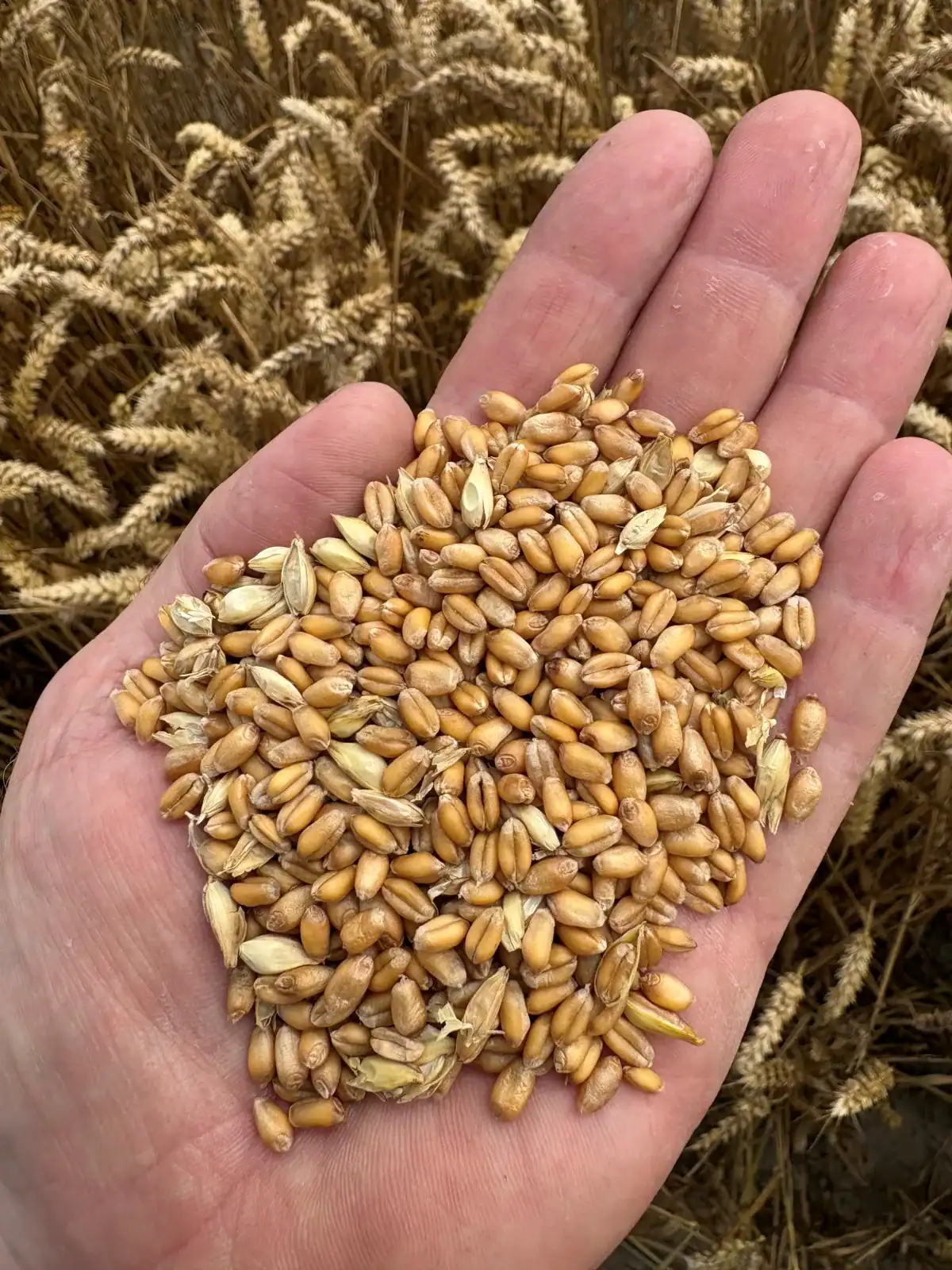
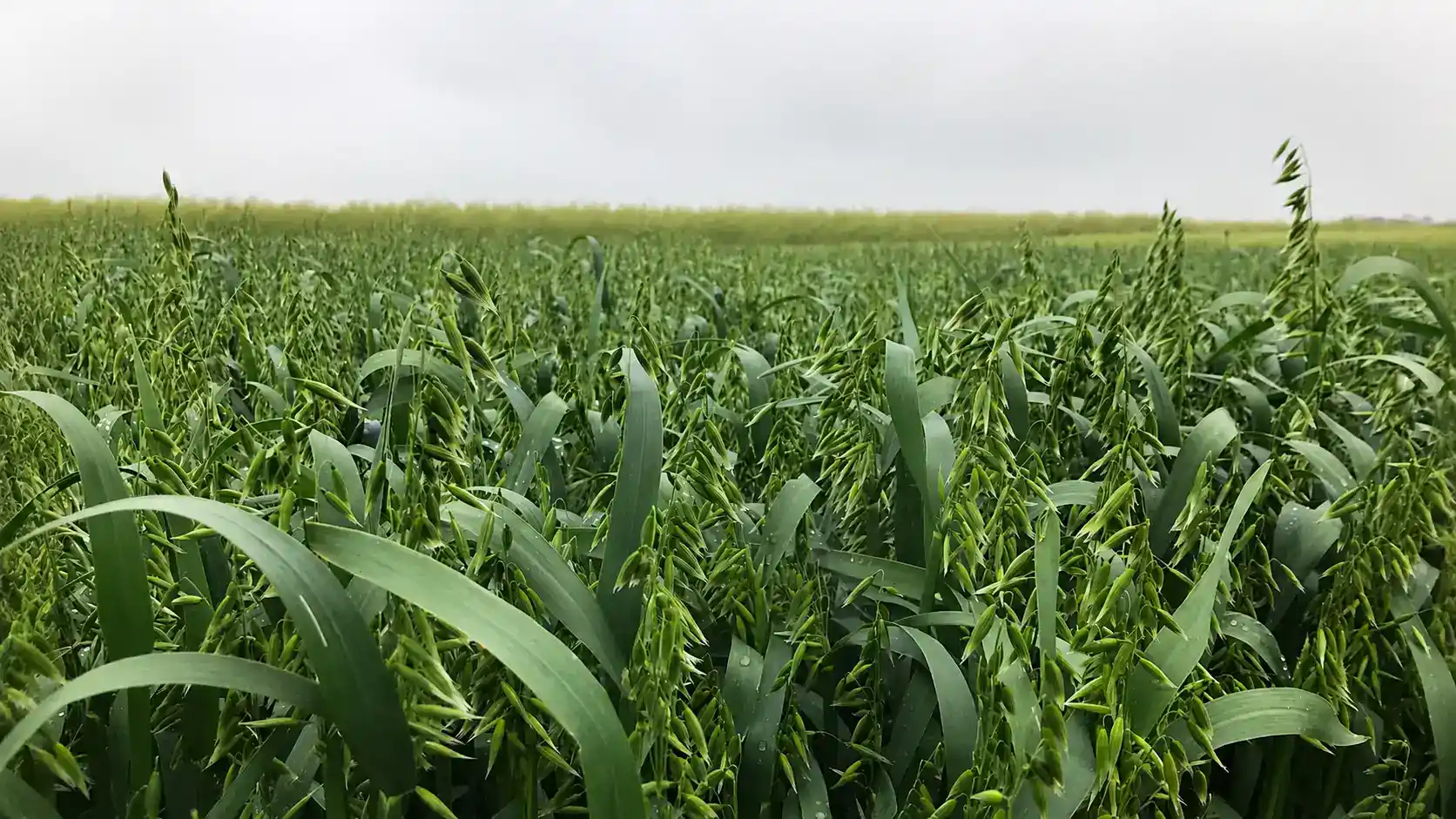
Oats
WPB Enya
WPB Enya is positioning itself as an ideal choice for both winter- and spring-sown oats.
Not only does WPB Enya have the highest KPH on the market at 57.6, it also has one of the best combinations of disease resistance, with scores of 5 for both Mildew and Crown Rust.
WPB Enya also has the largest seed size on the market, making it particularly suitable for rolling. Its larger seed size — 13% higher than its competitor — can also contribute to reduced grain losses at harvest and during subsequent processing.
Conclusion
Harvest 2026 may have challenged some of our assumptions about variety performance, but it should not change the principles behind good variety selection.
Weather will always test varieties in different ways. A dry harvest may highlight different characteristics from a wet one, but the traits that protect yield and quality in difficult conditions remain important.
For me, high KPH, good straw strength, resistance to sprouting, disease resistance and appropriate growth habit remain key considerations when selecting varieties for Irish conditions.
Because, ultimately, the right thing to do is still the right thing to do.
 Article by John Dunne, Goldcrop Ltd.
